
Epperson Springs Hotel: Camp Jim Davis
The Epperson Springs Hotel was an early Macon County Hotel, built circa 1852, in the western portion of Macon County. The Epperson Springs later became a Confederate enlistment camp, known as Camp Jim Davis.
TOURISM & LANDMARKSWARS & CONFLICTS
We all know about the great historic boom of Red Boiling Springs that brought visitors, hotels, and a wave of economic growth to Macon County. The bustling resort town, with its famed mineral waters, became a regional destination for health-seekers, travelers, and those looking for rest and recreation. However, Red Boiling Springs was only one of several areas in Macon County that experienced this unique surge in tourism during the mid to late 1800s.
In fact, the western portion of the county saw its own chapter of the mineral springs story. Long before Macon County became known primarily for Red Boiling Springs, the community of Westmoreland was home to one of the area’s earliest mineral resorts—Epperson Springs. This tranquil spot, located along what is now Epperson Springs Road, grew in popularity for its mineral-rich waters believed to offer healing properties. Around 1852, the Epperson Springs Hotel was constructed, serving as both a retreat and a fashionable destination for visitors seeking the restorative powers of the springs. Like other resorts of the era, it blended leisure, health, and social activity, and quickly became a cherished local landmark.
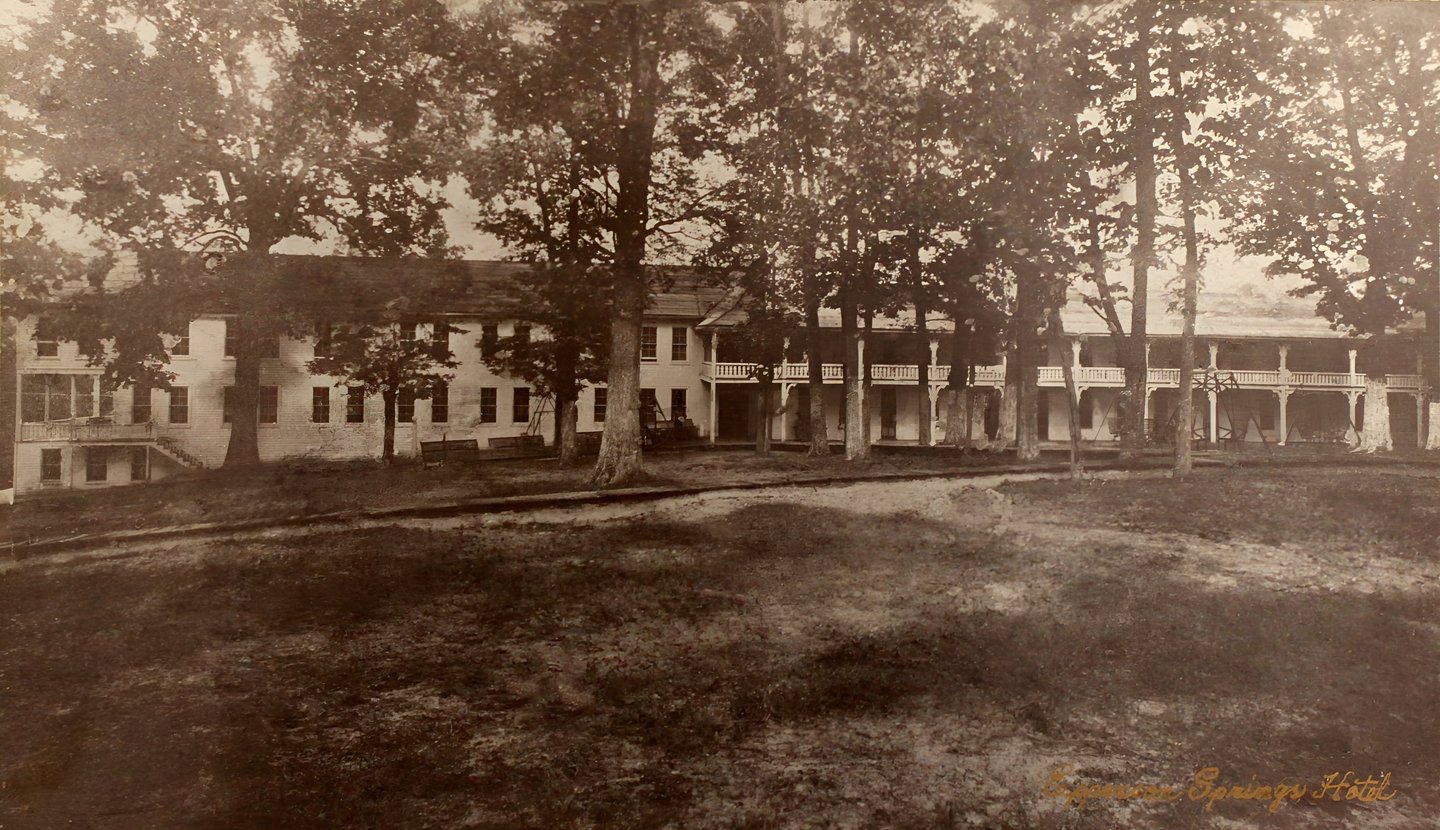
The hotel’s story shifted dramatically with the onset of the American Civil War. In the fall of 1861, as tensions rose and Tennessee became a strategic landscape, the Epperson Springs Hotel’s proximity to the Kentucky border made it a valuable asset to the Confederate States Army. The peaceful mineral resort was transformed into a military post known as Camp Jim Davis, named in honor of the hotel’s proprietor, James Madison Davis. It served as both a training ground and an enlistment center for Confederate forces.
It was here, in November 1861, that the Tennessee 7th Cavalry Battalion was organized, composed mainly of men from Sumner and Smith counties. Under the leadership of Lieutenant Colonel James D. Bennett and Major Baxter Smith, the battalion joined the Department of East Tennessee and would later participate in the Battle of Shiloh. By June 1862, the unit merged with Barteau’s 2nd Tennessee Cavalry, which was later redesignated as the 22nd (Barteau’s) Tennessee Cavalry Regiment—a regiment that continued fighting throughout the remainder of the war.
After the Civil War, Epperson Springs returned to quieter days and continued serving guests for several decades. Yet, like many of the early mineral resort hotels across the region, its story ended in tragedy. On April 25, 1926, the Epperson Springs Hotel was destroyed by fire, marking the close of an era that had once brought vitality, tourism, and historical significance to western Macon County.
Today, although the structures are gone, the legacy of Epperson Springs lives on as a reminder of the county’s diverse past—one shaped by health tourism, community, conflict, and resilience.
Written By: Caleb Fleming, Macon County History Preservation Project
Location of Epperson Springs Hotel and Camp Jim Davis of Macon County, Tennessee.